+1 (849) 752-2262


Punta Cana, renowned for its pristine beaches and crystal-clear waters, is not just a paradise for sunbathers and swimmers. It’s also a haven for surf enthusiasts looking to catch the perfect wave. Whether you’re a seasoned pro or a beginner eager to learn, Punta Cana offers a variety of surf spots to suit all skill levels. In this comprehensive guide, we’ll explore the best surf spots in Punta Cana, along with essential information to make your surfing adventure unforgettable.
Why surf in Punta Cana?
Before diving into specific locations, let’s consider what makes Punta Cana an ideal surfing destination:
- Year-round warm water: With water temperatures ranging from 77°F to 85°F (25°C to 29°C), you can surf comfortably without a wetsuit any time of the year. In fact, this warm water is one of the top attractions for surfers seeking a tropical experience.
- Diverse wave conditions: Moreover, Punta Cana offers a range of waves, from gentle breaks perfect for beginners to challenging waves for experienced surfers. As a result, it’s a great destination for surfers of all skill levels.
- Beautiful scenery: Surfing here means enjoying the stunning backdrop of palm-fringed beaches and turquoise waters, which truly adds to the overall experience.
- Accessibility: Additionally, many surf spots are easily accessible from major resorts and hotels, making it convenient for travelers to reach the best waves.
- Surf schools and rentals: For beginners in particular, Punta Cana provides numerous options for lessons and equipment rental, making it easy to get started without bringing gear.
Surfing in Punta Cana: top spots, schools and expert tips
Punta Cana isn’t just about all-inclusive mojitos and lounging under palm trees. For those who know where to look, the Atlantic coast of the Dominican Republic offers some of the most consistent and accessible waves in the Caribbean. Whether you’re a pro looking for a reef break or a first-timer ready to stand up, here is everything you need to know about the Punta Cana surf scene.
1. Macao Beach: the surfer’s hub
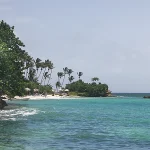
Playa Macao is arguably the most famous surf spot in the DR. It is a stunning, wide beach with a sandy bottom, making it exceptionally safe for beginners.
The waves: Consistent beach breaks. The left side of the beach usually has calmer waves for beginners, while the right side (near the cliffs) can offer more size and power for intermediates.
Best gear: A longboard (8’0″ to 9’2″) is the go-to here due to the mellow nature of the waves.
Where to rent & learn:
Macao surf camp: The most established school in the area.
Address: Playa Macao, Punta Cana 23000.
Website: macaosurfcamp.com
Email: info@macaosurfcamp.com
Phone: +1 (829) 563-1200
Hours: Monday – Sunday, 9:00 AM – 6:00 PM.
Macao Surf Lessons: Specialized in private coaching.
Address: North end of Macao Beach.
Phone: +1 (809) 430-8444
Hours: Daily from 8:30 AM – 5:30 PM.* Macao Surf Camp: The OG school in the area. They offer lessons in English and have a huge fleet of rental boards ($20–$30 for half-day).
Pro Tip: It gets crowded on weekends with locals. Go on a Tuesday or Wednesday morning for the cleanest, quietest conditions.
2. Uvero Alto: The Hidden Gem
Located about 15 minutes north of Macao, Uvero Alto is where you go to escape the crowds.
The waves: Here the reef is closer to the shore, creating faster and sometimes hollower waves. It’s better suited for intermediate to advanced surfers.
Best gear: A “Funboard” (7’2″) or a Shortboard if the swell is over 4 feet.
Where to stay: Dreams Macao Beach or Breathless Punta Cana are the top resorts in this area with direct or very close beach access.
Where to rent & learn:
Uvero Alto Surf Shop: Located near the main resort strip.
Address: Carr. Uvero Alto, Punta Cana 23000.
Website: uveroaltosurf.com
Email: contact@uveroaltosurf.com
Phone: +1 (809) 552-0123
Hours: Monday – Saturday, 9:00 AM – 5:00 PM.
How to get there from Punta Cana airport (PUJ)
Getting your board and gear to the beach can be a hassle in a standard taxi.
Private Shuttles (Recommended): Booking a private transfer with Canatransfers is the most efficient way. You can request a larger vehicle (SUV or Van) to accommodate surfboard bags.
Travel Time: * PUJ to Macao: ~35 minutes.
PUJ to Uvero Alto: ~45 minutes.
Costs: Private transfers usually start around $40–$60 depending on your group size.
Surf season & weather
Peak Season: November to March. This is when the North Atlantic swells hit the island, providing 4ft to 8ft waves.
Summer Surf: June to September can be fun for beginners, though hurricane season may bring larger, messier swells.
Water Temp: Always warm (78°F–82°F). Forget the wetsuit; a good rash guard is all you need to protect against the sun and wax.
Essential local contacts & services
Surfboard Repair: Most schools at Macao can do basic resin fixes if you ding your board on the reef.
Transportation: Canatransfers – Pre-book your airport pickup to ensure a “surf-friendly” vehicle is waiting for you.
Accommodations for Surfers:
Luxury: Dreams Macao Beach Punta Cana (Literally on the best surf beach).
Boutique: Selectum Hacienda (Quiet, high-end, near Macao).
If you are coming from the US, Punta Cana is the perfect “surf-cation.” It’s a short flight from the East Coast, the water is crystal clear, and the vibe at Macao Beach is pure Pura Vida. Don’t forget to pack extra reef-safe sunscreen and a high-quality leash!
Pro tips for American Travelers
Water Temperature: 78°F–82°F year-round. Leave the wetsuit at home; just bring a good rash guard to prevent wax burns and sun damage.
Money: While USD is widely accepted, having some Dominican Pesos (DOP) for small beach shacks is useful.
Season: For the biggest swells, visit between November and March. For beginners, the summer months offer smaller, manageable waves.
Top surf spots in Punta Cana
Sure a safe and enjoyable surf spots in Punta Cana, keep these tips in mind:
- Take a Lesson: If you’re a beginner or unfamiliar with the local conditions, consider taking a lesson from a reputable surf school. In particular, lessons can help you understand local wave patterns and safety measures.
- Check the forecast: Furthermore, always check the surf and weather forecast before heading out. This will help you avoid surprises and plan your session accordingly.
- Respect local surfers: In addition, follow proper surf etiquette and respect local surfers and their waves. Likewise, this shows respect for the surf culture and helps maintain a positive atmosphere.
- Use sunscreen: The Caribbean sun is strong; therefore, protect your skin with high-SPF, reef-safe sunscreen.
- Stay hydrated: Moreover, drink plenty of water, especially if you’re surfing for extended periods. Being in the sun and saltwater can be dehydrating, so hydration is key.
- Be aware of rip currents: Learn to identify and navigate rip currents safely. Even though they’re natural, rip currents can pose serious risks if you’re unprepared.
- Bring the right equipment: If you’re bringing your own board, ensure it’s suitable for the conditions you’ll be surfing in.